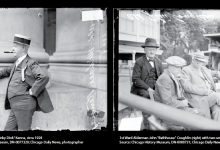
At its next meeting in February, City Council will likely approve legislation to expand the scope of the inspector general’s role to overseeing aldermen.
From taxpayer- and donor-funded spending sprees by the president of an Illinois public college, to Chicago’s red-light-camera ticketing and kick-back schemes, 2015 has been rife with instances of public corruption and lack of government transparency.
November saw Chicago’s City Council let the term of the legislative inspector general, who is tasked with overseeing City Council, expire without hiring a replacement, as well as several other instances of breach of public trust and influence peddling around the state.
The proposed change in city code would further tilt the scales in favor of the politically powerful, as they could be granted full knowledge regarding the investigation on their wrongdoing, including information on who brought the case to light.