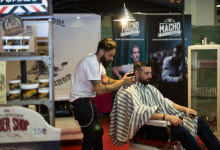
Occupational licensing requirements present one of the steepest barriers to low-income Illinoisans starting careers in beauty services. Illinois requires anyone seeking to become a barber, cosmetologist, nail technician or hair braider to obtain a state license, essentially a permission slip to work. Unlike 45 other states, Illinois offers only one pathway to licensure for each...
Published Oct. 16, 2024 Illinois finds itself at a crossroads: will it empower minorities and poor people to unleash their potential, or will it perpetuate an inequitable status quo? For far too many Illinoisans, opportunity is unfairly and unnecessarily out of reach. Illinois ranks in the bottom ten among all states in social mobility and...
Almost a quarter of Illinois workers need licenses to work in their professions, and workers who default on student loans can face the suspension of those licenses.
By allowing offenders to submit applications for barbering licenses within six months before release from prison, Illinois will reduce wait times for licensing – and reduce the likelihood those ex-offenders will return to crime. But more reforms are needed.
Nearly two in five workers in the U.S. need government permission just to do their jobs. One of the ways that permission is granted is through occupational licensing programs imposed by state and local governments. This setup raises barriers to entry for many professions. The supposed justification for these rules is that they help protect...
Twenty-four barbers and three beauticians received a total of $1.76 million in wages in 2008 from various departments, including the Department of Corrections.
The Education Freedom Tax Credit, also known as the Federal Scholarship Tax Credit, will give Illinois students access to donor money if the state opts into the program.