On Nov. 5 Illinoisans will vote to elect two Illinois Supreme Court justices and nine appellate court justices, and whether to retain four sitting appellate court justices.
The Chicago Board of Elections will appeal a Cook County judge’s ruling that Johnson’s $100 million real estate tax plan on the March 19 ballot is unconstitutional and invalid.
On Nov. 8, Illinoisans will vote for important judge positions, including three Illinois Supreme Court justices and 16 appellate court judges. Their decisions impact daily life, yet about 25% of voters leave their ballots blank when they get to the judges.
The Illinois Supreme Court sided with the city of Chicago following a yearslong court battle over some of the nation’s toughest food truck restrictions.
Chicago’s regulatory roadblocks have derailed opportunity for the city’s food truck entrepreneurs. As a challenge to those restrictions reaches Illinois’ high court, the outcome of the case could be felt statewide.
Government-worker unions can negotiate for months or even years without reaching a new contract, and can use negotiations to push for even cushier perks from pricier health insurance to paid time off for birthdays.
The Illinois Supreme Court shut down a tax Chicago was imposing on car rentals outside city limits, noting the potentially chaotic nature of the policy.
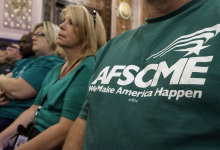
Given AFSCME’s and the Rauner administration’s disagreement on core contract issues – such as wage freezes and merit pay – and the likely appeal of any impasse decision reached by the administrative law judge, a final determination on whether AFSCME and the Rauner administration have reached impasse will probably not come until well into the summer – or beyond.